


As we approach the end of the year, it’s worth taking stock of the alarming number of incidents across Australia’s frontline workforce and recognising how much could have been avoided if personal safety devices were in place.
The cases below are only some of the events that made headlines, underscoring the growing need for proactive protection.
Retail & public-facing threats
- On 15 January 2025, a staff member at a major supermarket in Yamanto Central (Ipswich, QLD) was stabbed while stocking fridges. In response, the retailer withdrew its full range of kitchen knives nationwide.
- On 27 February 2025, a man reportedly pulled a large knife and threatened staff at the Canberra Outlet Centre. The centre was locked down; thankfully no physical injuries were reported.
- In late May 2025, a broad-day machete brawl erupted at Northland Shopping Centre (Preston, VIC), prompting an immediate sales ban on machetes in the state.
These incidents show retail workers and front-counter employees are under escalating risk. A wearable duress alert device or SOS button with monitoring upon activation could have provided that additional layer of protection at the critical moment.
Healthcare & home-visiting outreach workers
- In April 2025, a nurse at Townsville Hospital in Queensland was sexually assaulted by a known aggressive patient. The investigation found that unsafe behaviours had been ongoing and staff felt these incidents were simply “part of the job.”
- In February 2025, more than half of surveyed Victorian mental-health nurses reported facing occupational violence or aggression at least weekly, with many stating they no longer felt safe entering work each day.
Home-visiting and outreach staff often work in isolated or unpredictable environments. A personal safety device with two-way communication, automatic alert triggers and location tracking would provide a real safety net, for both physical and psychological risk.
Public-service & community workers
- Early in 2025, a community-ranger with Fraser Coast Regional Council (QLD) was head-butted while patrolling a public park. This was the second assault on local outreach staff within weeks.
- On 26 May 2025, the agency Services Australia was charged under the WHS Act after an assault on a staff member at a service-centre office, highlighting the long-term risk of violence in public-facing service hubs.
Workers in these roles are vulnerable to sudden aggression. Monitoring tools, duress alerts and location-aware safety systems deliver both deterrence and rapid response capability.
Why it matters
These incidents demonstrate 3 key truths about workplace risk in 2025:
- Violence and threats facing frontline workers are not rare, and they’re growing more unpredictable.
- Standard safety measures (guards, cameras, signage) alone are no longer sufficient.
- Personal safety devices, designed especially for lone or isolated workers, offer a critical layer of proactive protection.
When workers feel unsupported, exposed or unsafe, the consequences go beyond the headline incident: morale drops, turnover rises and the cost of inaction becomes both human and financial.
The solution: deploy with purpose
For organisations whose staff operate alone, in-home or in unpredictable public-facing environments, consider the following checklist:
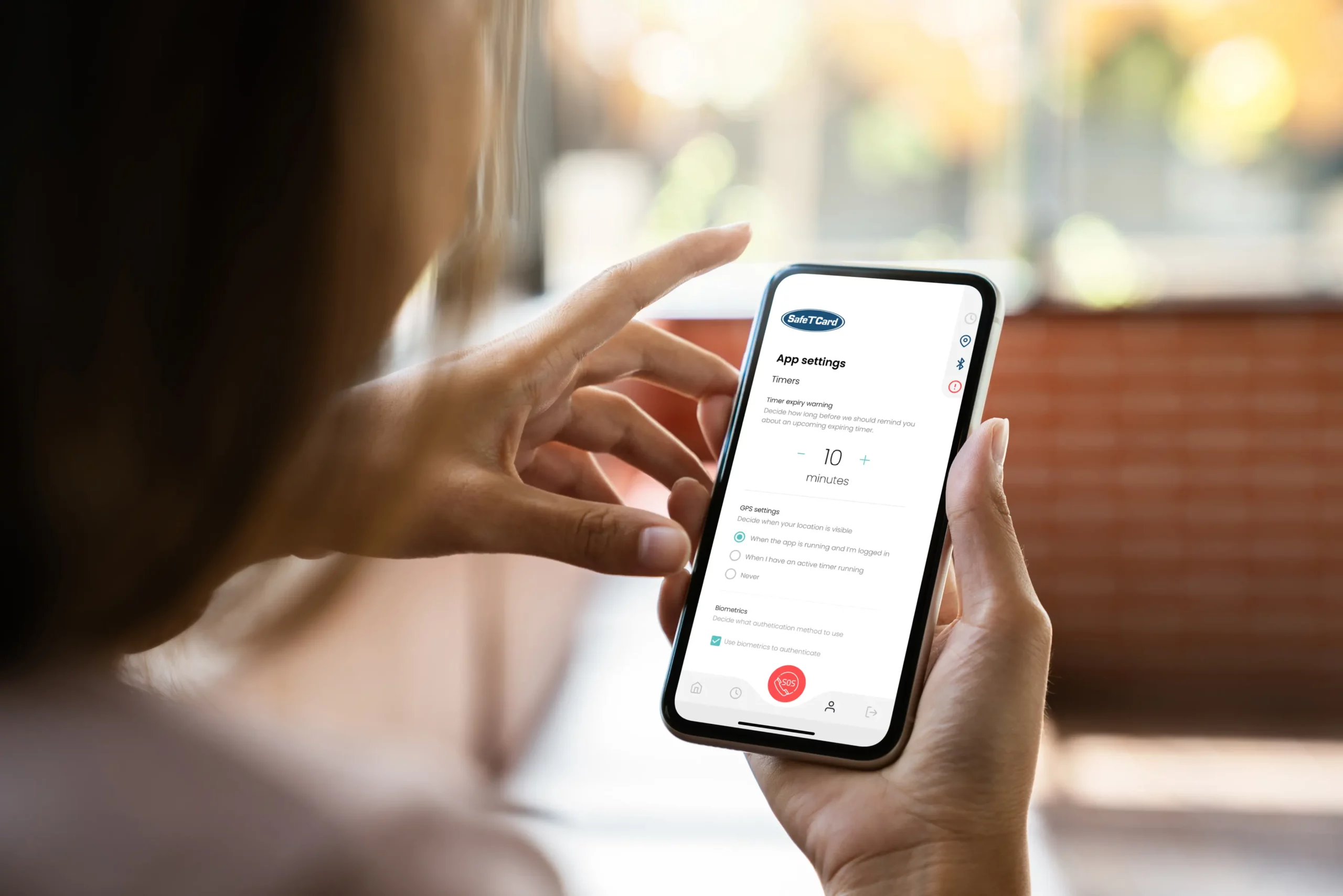
- Equip staff with safety wearables or mobile apps that enable silent alerts, two-way communication and real-time GPS location.
- Ensure devices connect to a 24/7 monitoring centre so help is dispatched without delay.
- Provide training, reinforce culture and emphasise device adoption: far too many systems sit unused.
- Track incident data and review usage to identify risk gaps and fix process failings.
Final word
The incidents above are real, recent and undeniable,
and they’re just a sample of what’s happening in Australia this year. Many of them could have had a different outcome if reliable personal safety devices were deployed and used effectively. As frontline workers continue to face elevated risks, equipping them with tailored technology, supported by training and strong culture, isn’t optional. It’s essential.
Because peace of mind isn’t just a benefit, it’s protection.