


Working alone can be a necessity, but it can also increase on-the-job risk. Having the right tools to support those workers becomes imperative to ensure that they stay connected and protected at work.
The number of professionals finding themselves working alone or in remote scenarios is increasing yearly, particularly following the pandemic – healthcare professionals, truck drivers, contractors, and the list goes on.
In the age of mobile phones and endless internet connections, it can seem impossible to become disconnected, but all it takes is a bad signal at the wrong time to exacerbate a dangerous scenario. Having the right personal safety devices or personal alarm devices can make all the difference. It’s not just a matter of safety, for those managing lone workers and those at risk, it’s a duty of care.
Understanding the Importance of Personal Safety Devices
Workers face many personal safety risks, including violence, accidents, emergencies, physical threats, natural disasters, fatigue, and stress.This risk is heightened when they are working alone.
Employers have a duty of care under WHS regulations and lone working policies. This is especially important in health and lone working environments. They must ensure that workers stay protected at all times, with enough support in place to minimise or eliminate risks wherever possible.
Personal safety technology has come a long way since traditional panic alarms. Modern duress alarms, lone worker alarms and mobile apps can include fall-detection, weather-proofing, 24/7 monitoring, and more. These developments have been crucial for increasing protections for those at risk.
95% of healthcare workers, for example, have experienced verbal abuse or physical assault at work. These situations are often unfortunately unavoidable. However, they are never acceptable.
Including personal safety devices or duress alarms means that when these situations do arise, they have immediate access to support. Choosing devices that are user-friendly, reliable, and accessible is crucial to ensuring your team has proper support.
So what can you do to protect your workers?
Ensure that your employees are provided with personal safety devices. These protection solutions offer a simple, accessible, and effective way to give your workers a safety lifeline wherever they go. From mobile apps, to satellite devices, man-down alarms, panic alarms, fobs, GPS location, and built-in SOS alerts, there is something for every scenario.
So how do you decide what your team needs?
Identify the risks that your team faces on the job, are they out of mobile range? Working around water? At risk of falls? More likely to face aggression and violence? Identifying the actual risks will help you to define what you need out of a device. Whether it’s a discreet, ID-style card holder with a built-in SOS button to avoid escalating the scenario, or a satellite device that works outside of mobile range, with shock and weather-proofing built in. Taking out the guesswork, some companies provide checklists or solution finders to ease the decision-making process and identify the most important safety features for your team.
Duress Alarms and Panic Button Alarms
The simplest safety solution, duress and panic buttons, provide instant help with a single press during an emergency. Banks, schools, hospitals, restaurants, and government buildings often use these compact devices to protect staff and visitors. Most systems hardwire directly to walls, but wireless personal duress alarms are also available for greater flexibility. Many duress buttons connect straight to a security monitoring centre—such as our 24/7 Alarm Receiving Centre—where trained staff can immediately assess the situation and dispatch the appropriate support. We recommend personal duress alarms for two main reasons. They are mobile and do not require a worker to be in a particular location to access support.
Lone Worker Phone Apps and Alarms
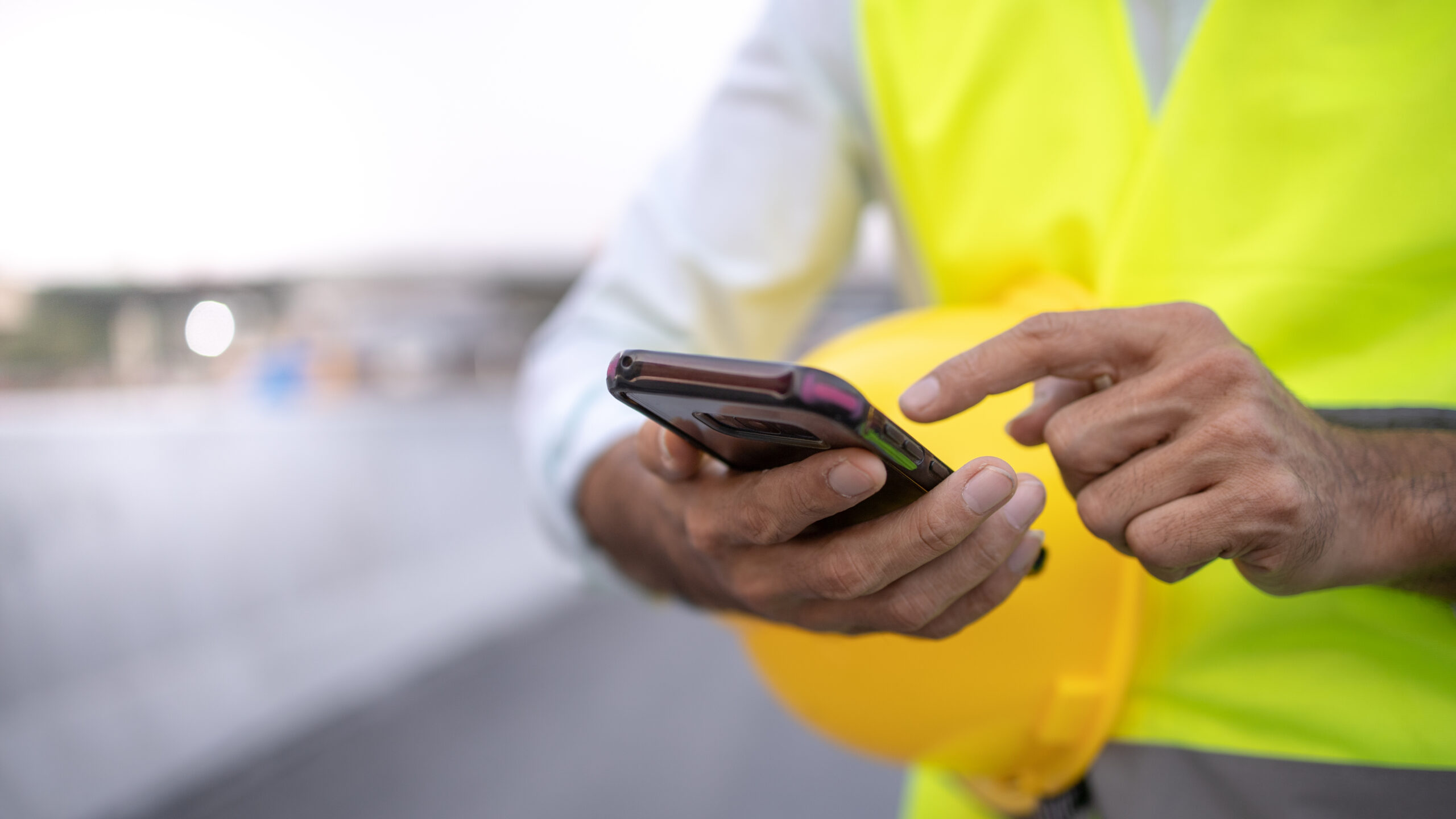
Lone worker safety solutions are a convenient way to include personal safety in your workers’ routine without adding additional infrastructure. They are downloaded onto the user’s phone and can be accessed anytime. Often these will include two-way communications and direct lines to emergency services. The success of these safety apps comes from their reliability. If the lone worker app does not have adequate support and personnel behind it, it will not provide proper support for your workers. They are also dependent on the user being within mobile range, so they are not suitable for all lone workers.
Remote Communicators
Satellite communicators are lifesavers for those working outside of mobile range. Unlike traditional satellite phones, these devices are no longer bulky or heavy. Many now come in a compact stick form that workers can carry anywhere. They offer GPS real-time tracking, two-way messaging, long-life batteries, and SOS alerts, ensuring users stay supported even when out of range.
Investing in personal safety apps and devices isn’t just a precautionary measure. It’s a proactive step towards ensuring safety, security and peace of mind for you and your team. Whether you’re a lone worker, a healthcare professional, or simply someone who values personal safety, there are devices and alarms to suit every scenario.
SafeTCard was built with one mission: to help keep people safe. Get in touch to find the personal safety device for you and your team. Let us work together to keep Australian workers safe.